01Snackable
MVP product design · Decode · 2023
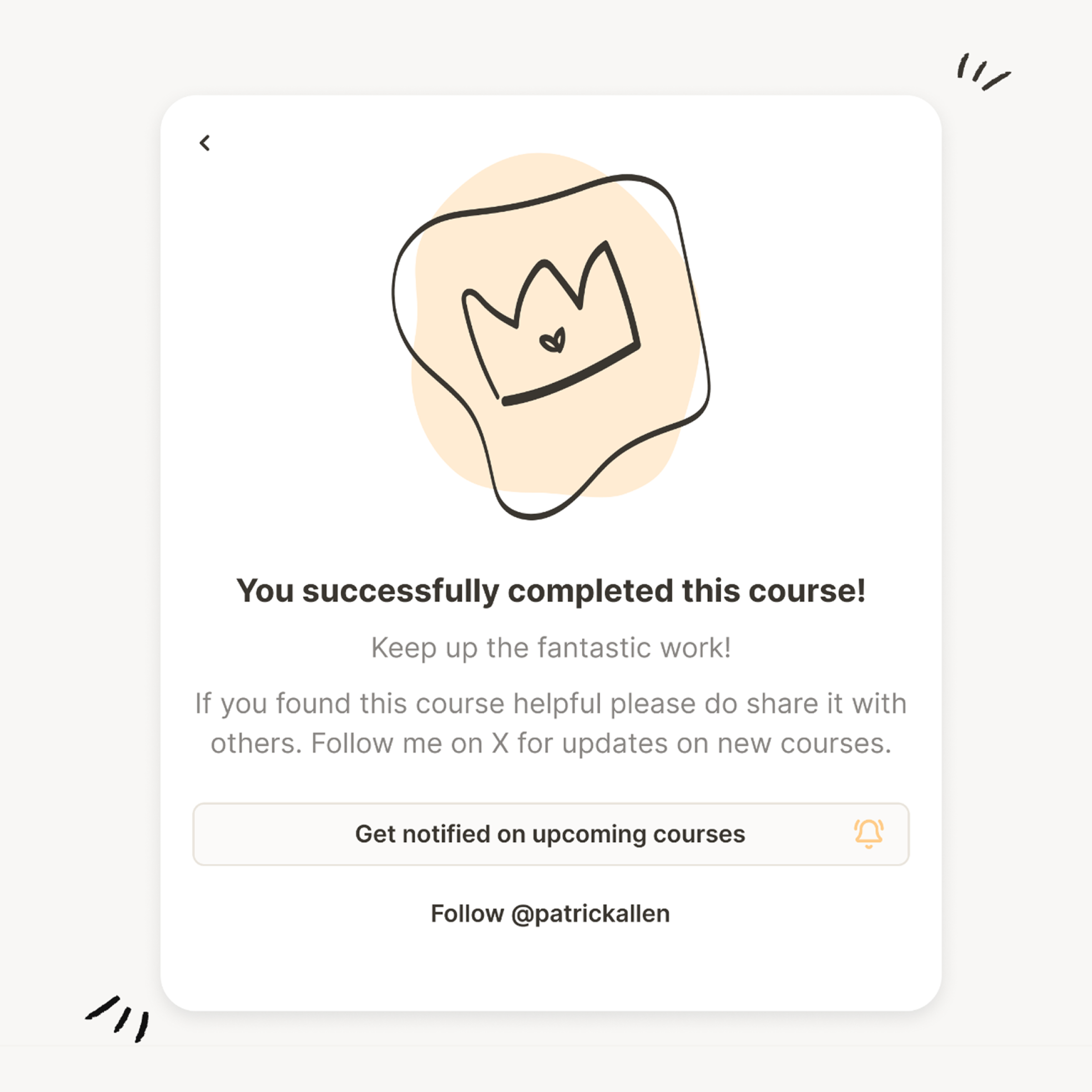
Defined a micro-course product structure and designed creator and learner flows end to end.
Case study
Designing and building multiple web apps to streamline high-volume print operations.
01
Print Evolved relied on several ageing internal systems that split logic across multiple tools. Operators had to jump between interfaces depending on the customer, carrier or product, creating confusion, inconsistent data and frequent batching/dispatch errors.
I redesigned and rebuilt the internal platform as three modern, responsive apps with clear responsibilities:
My role covered end-to-end UX, UI, prototyping, design systems and React/Next.js implementation.
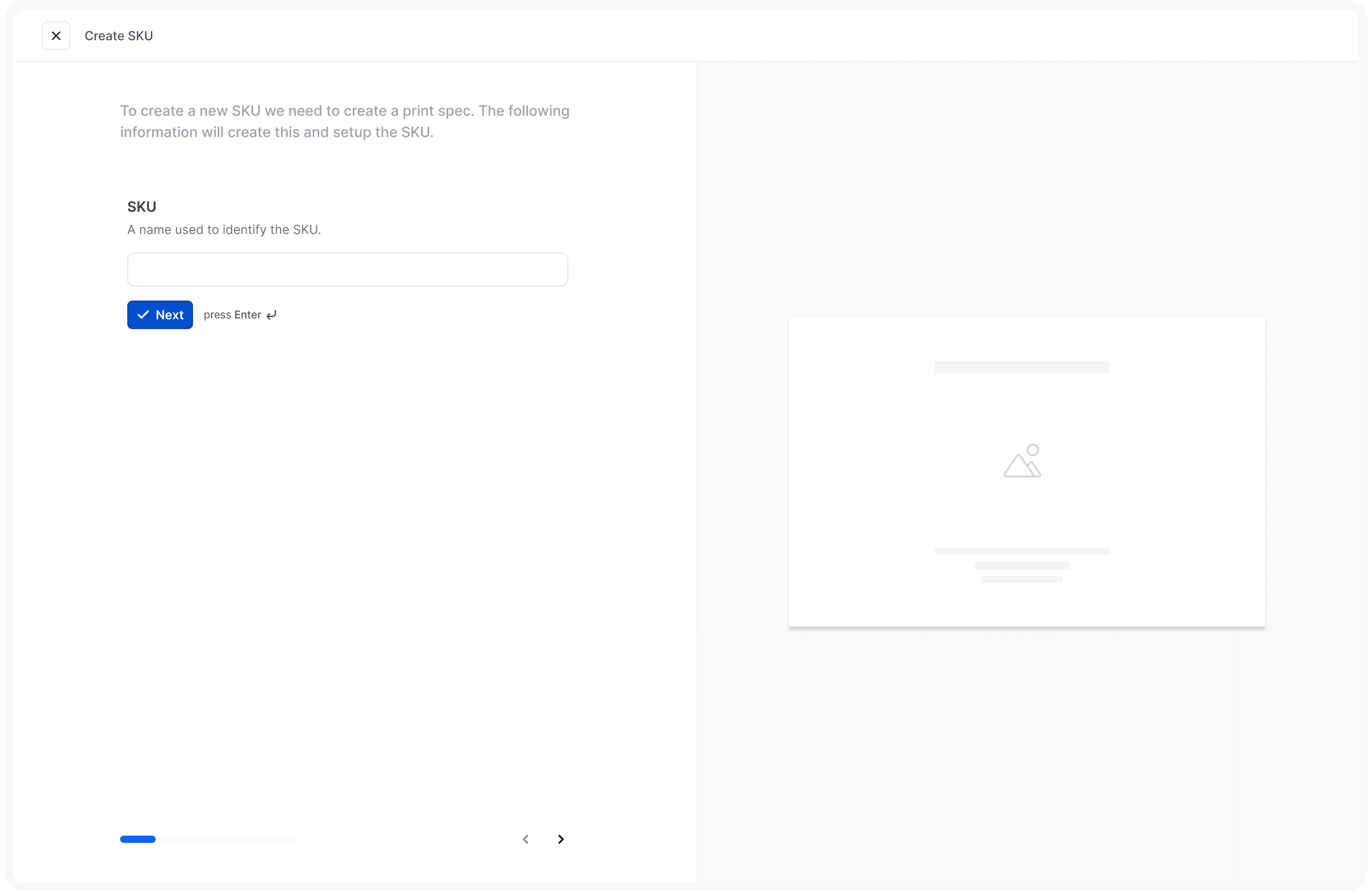
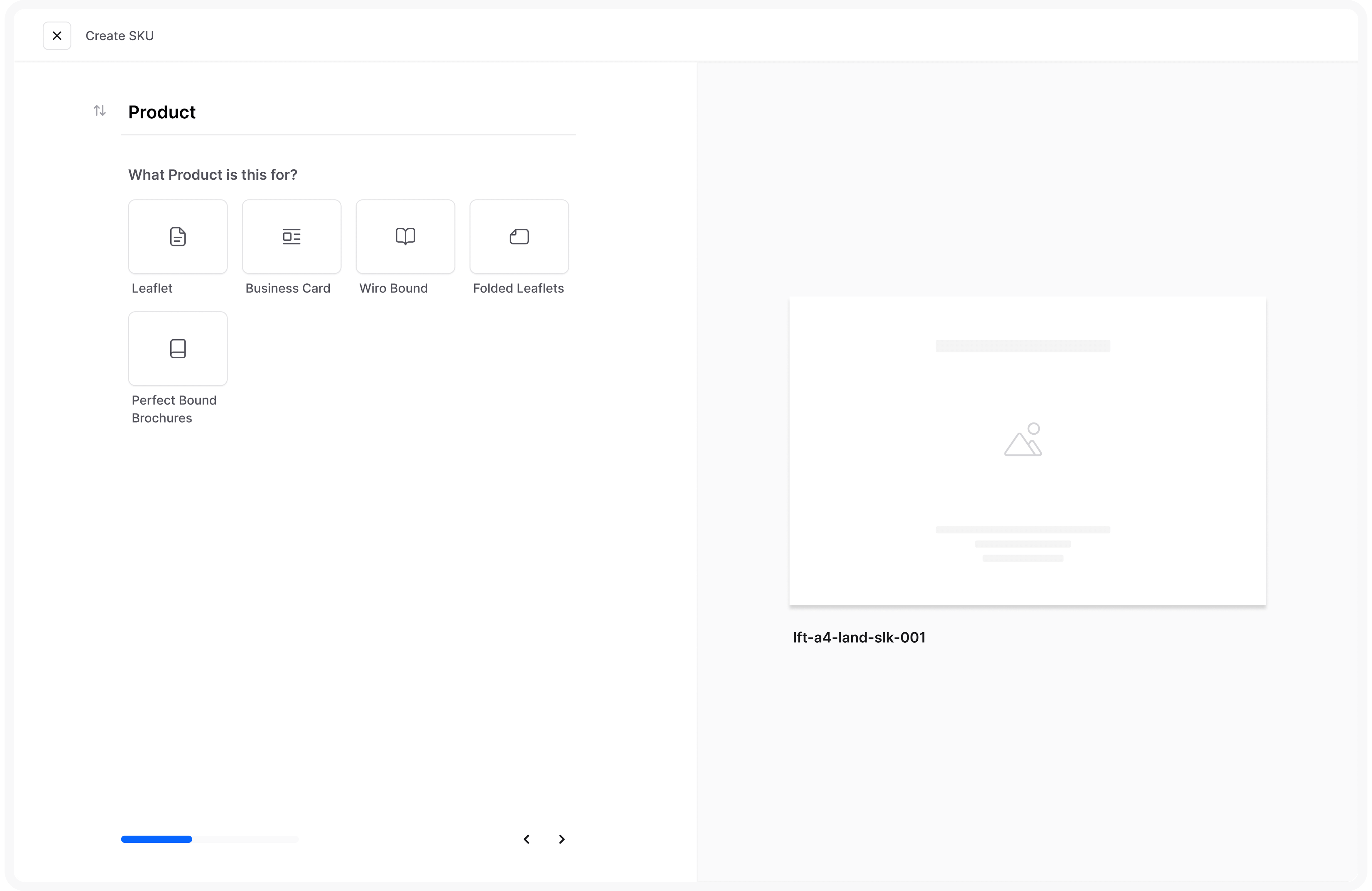
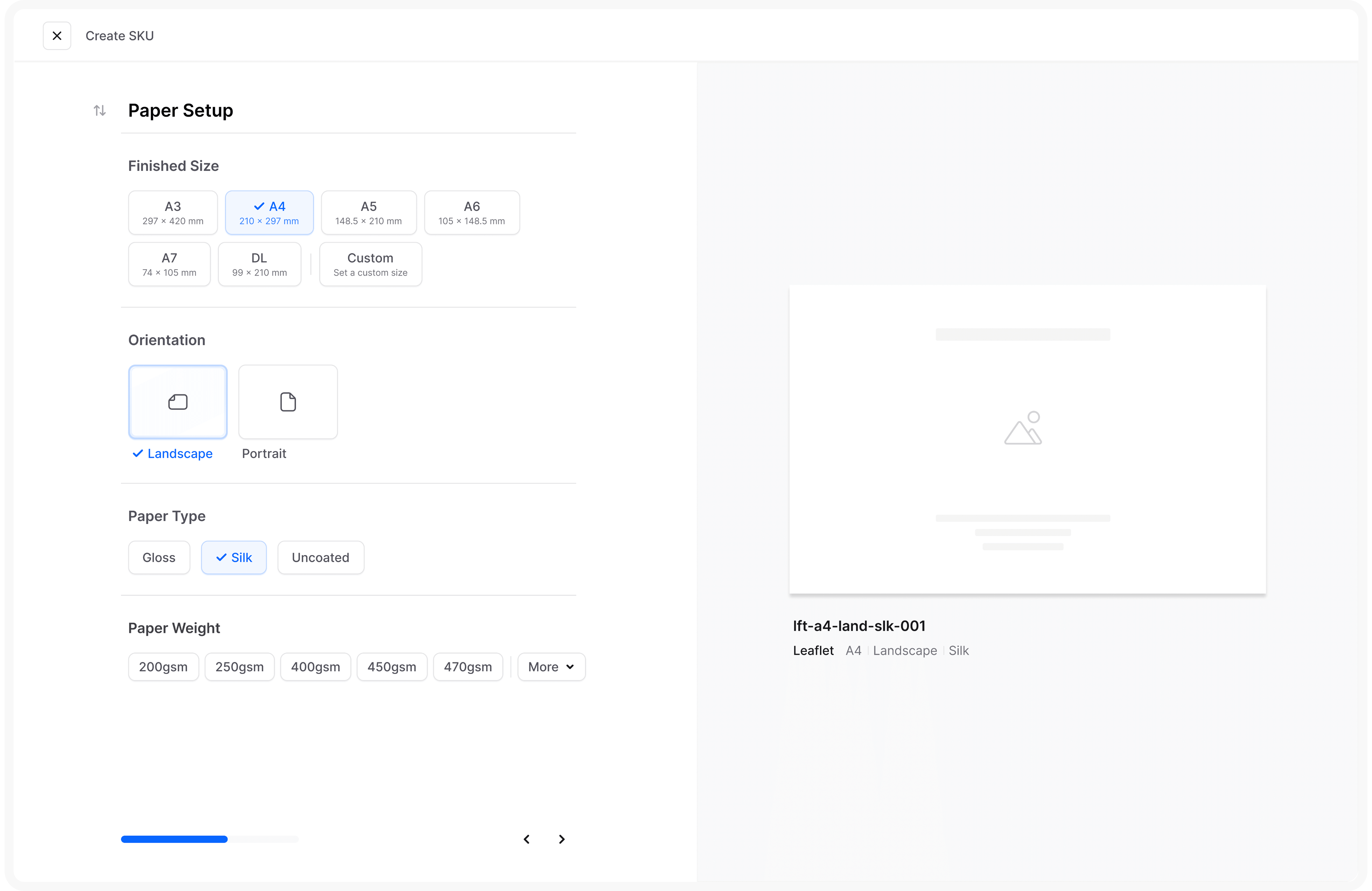
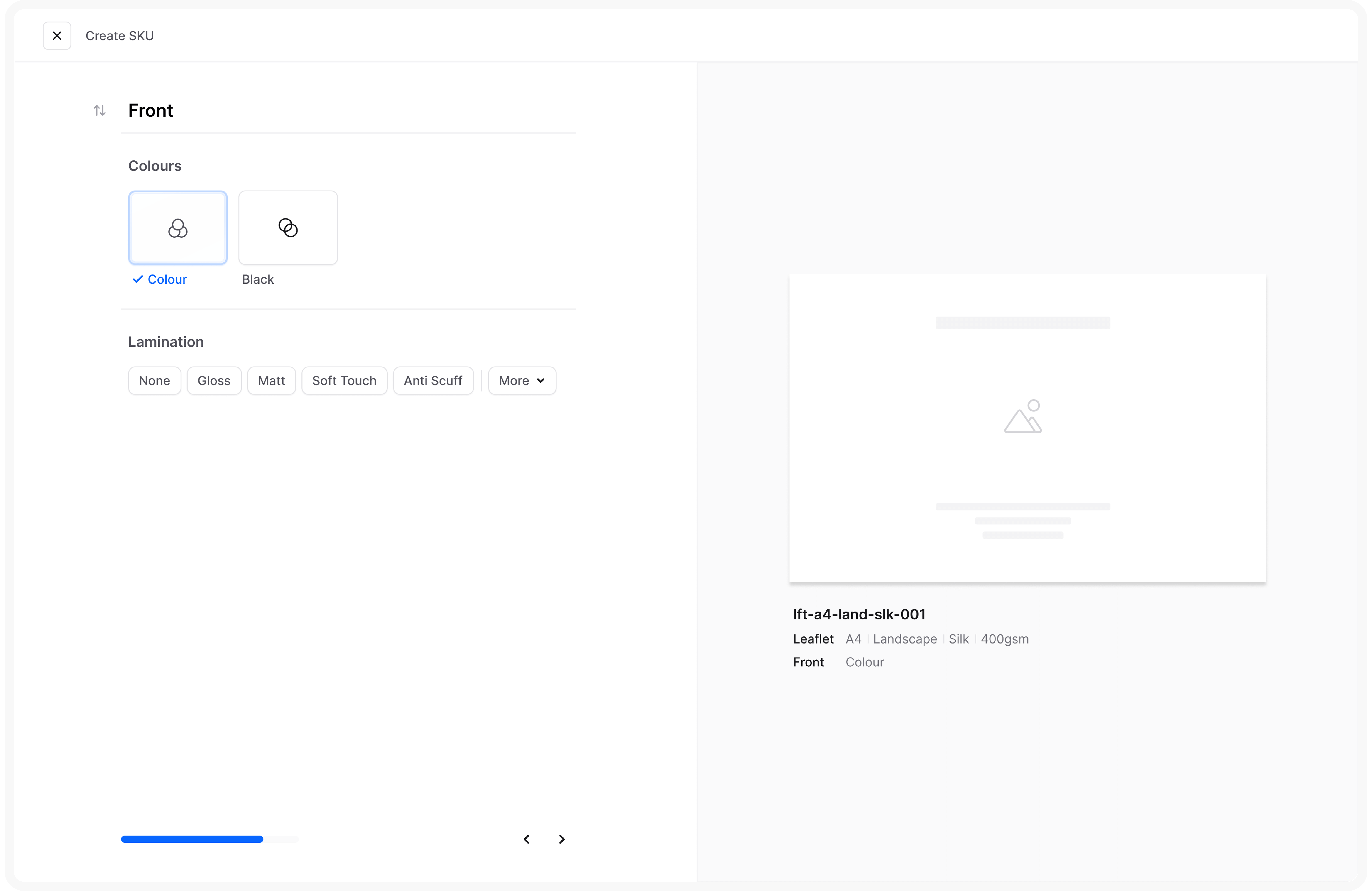
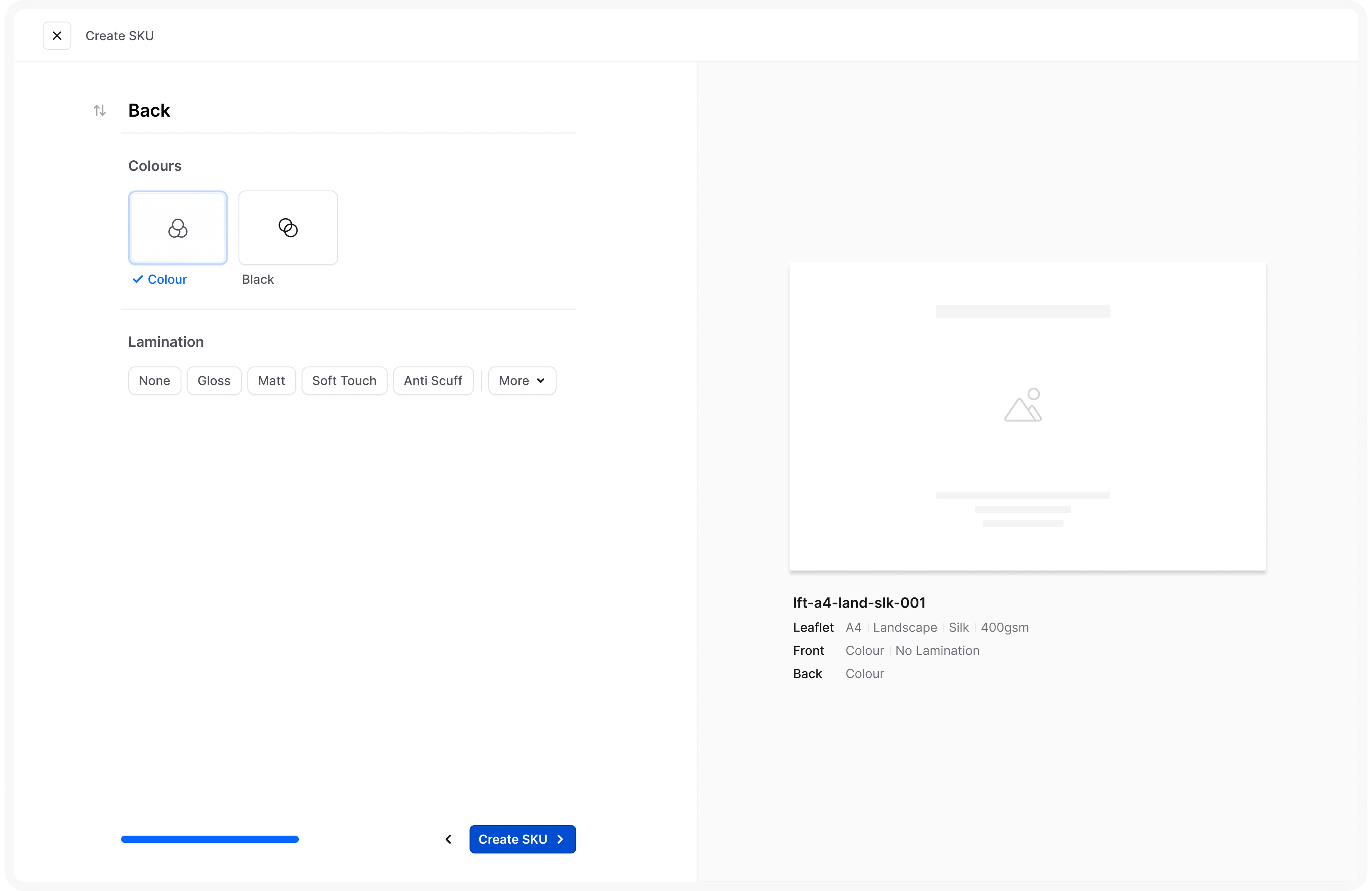
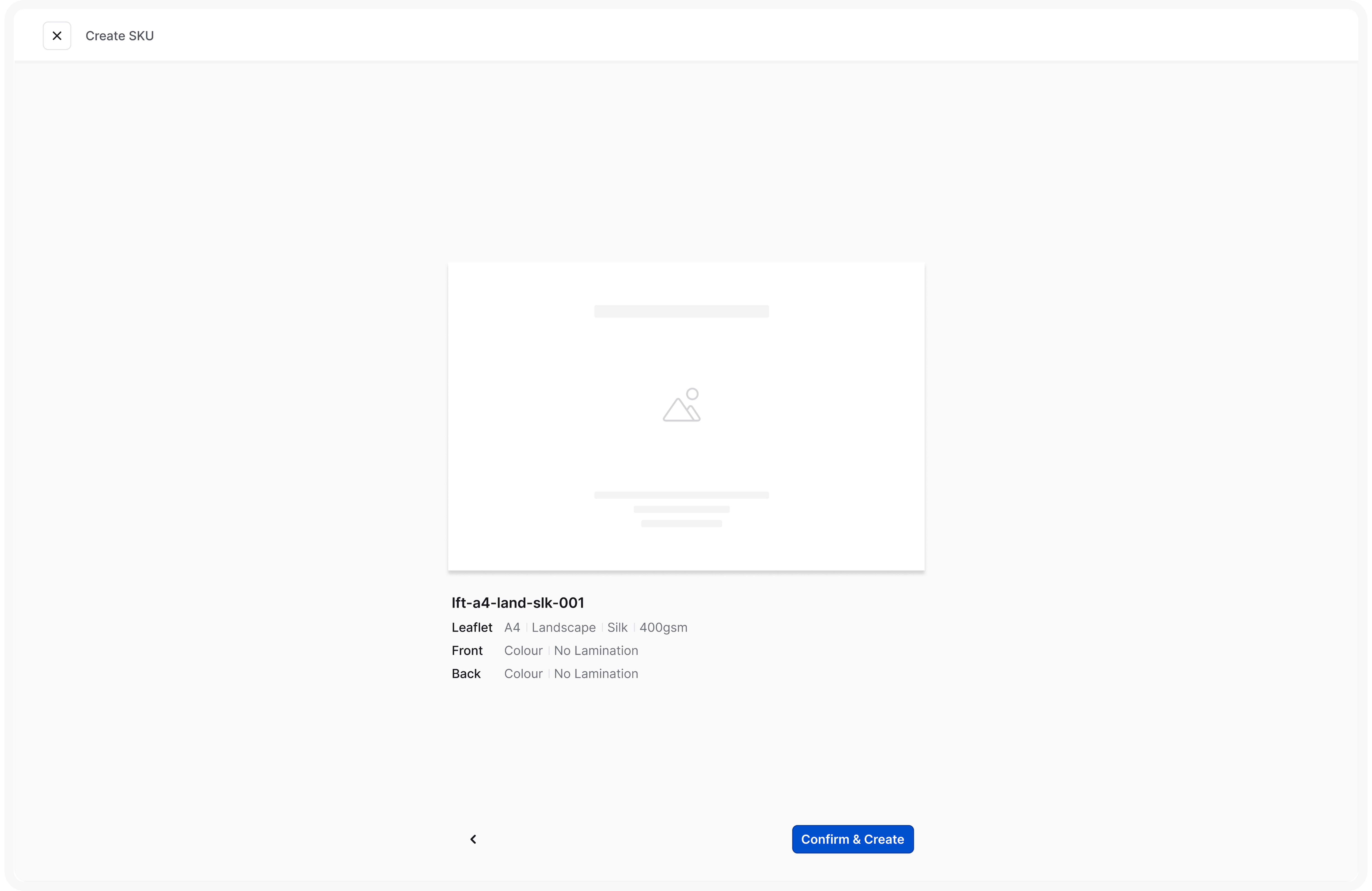
Screens from the SKU creation wizard.
02
Legacy systems had grown fragmented over time. Different parts of the workflow lived in different tools, meaning:
Teams needed a single, predictable workflow and a modern UI that matched how they actually work.
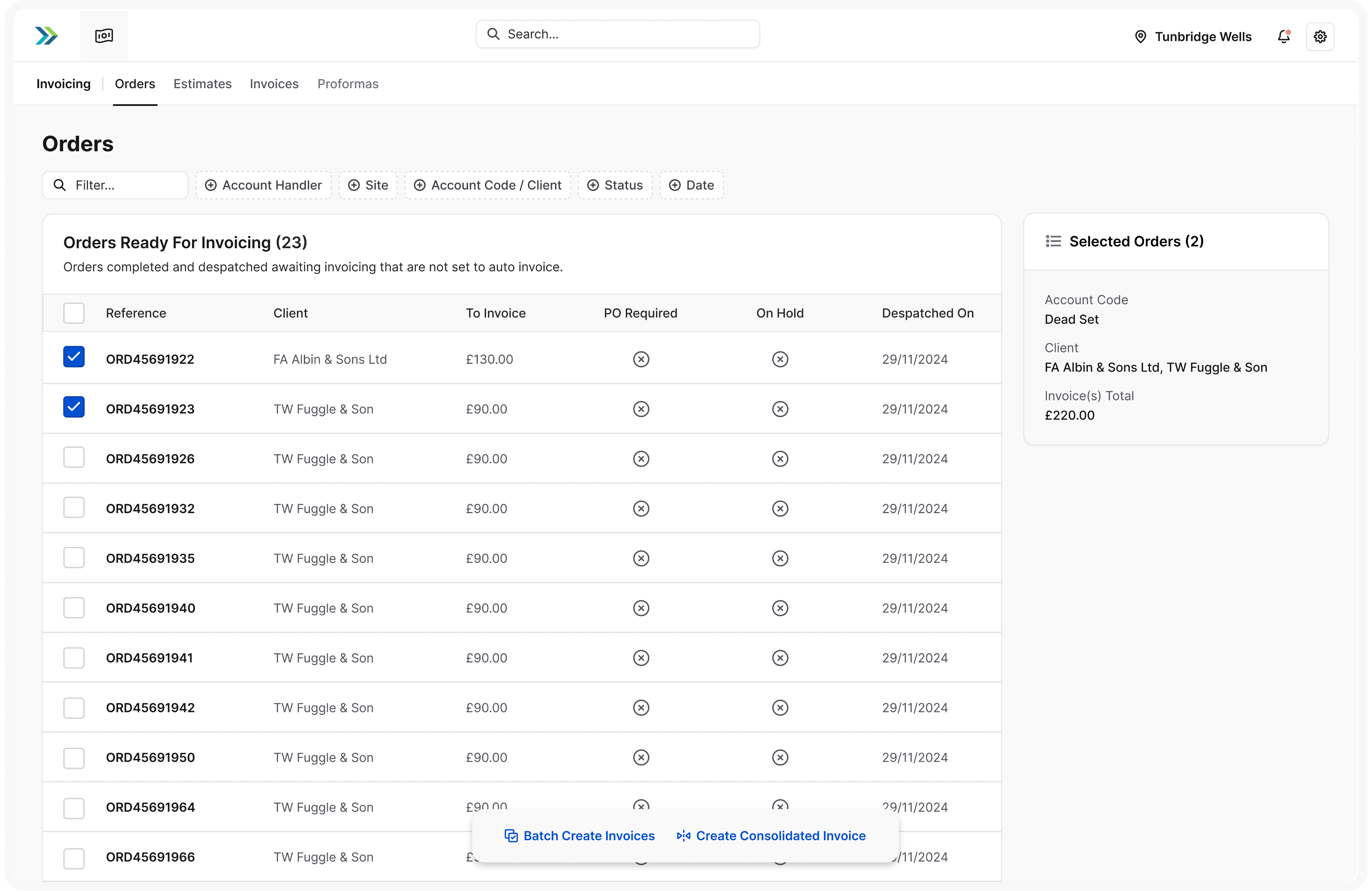
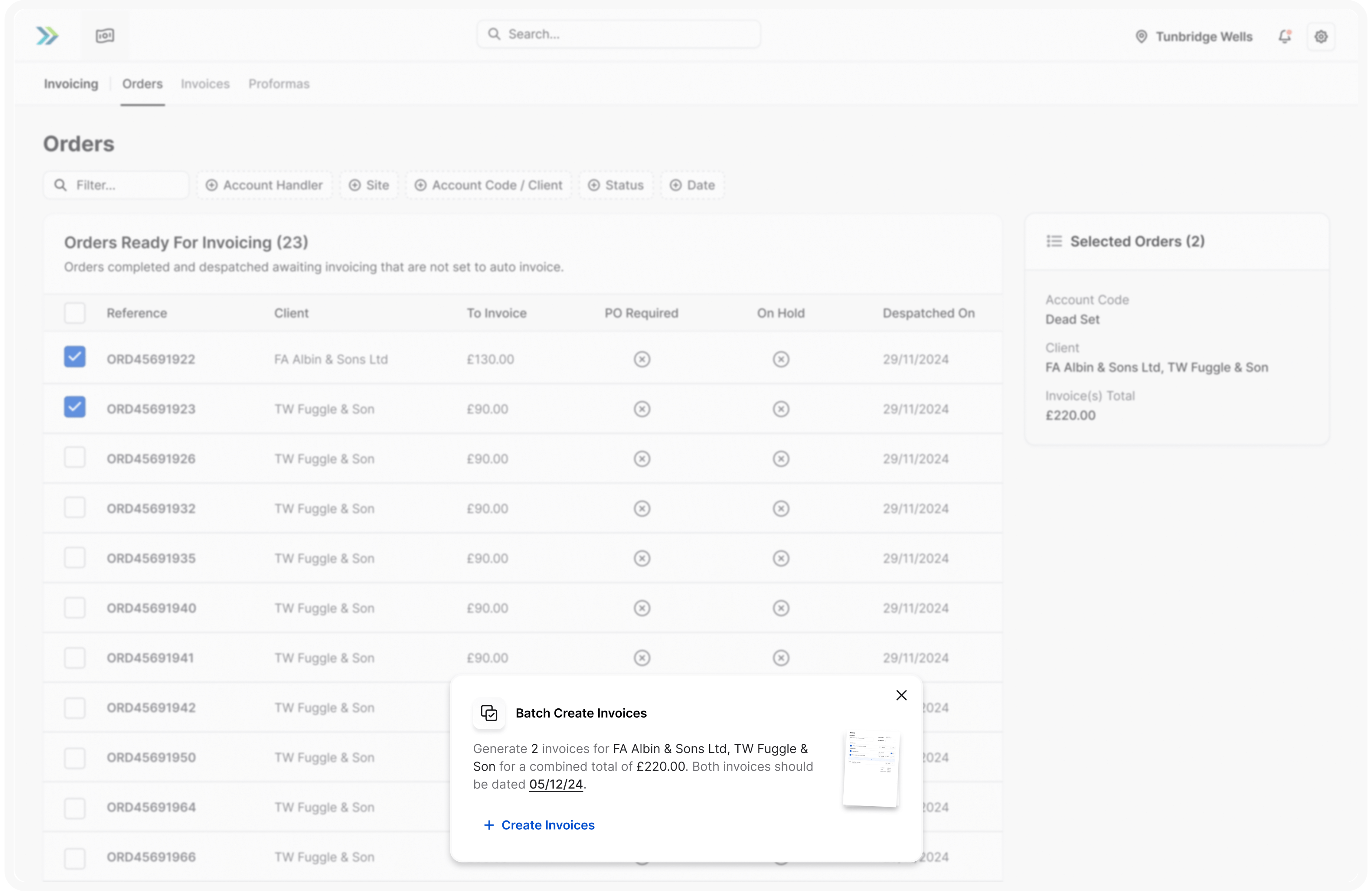
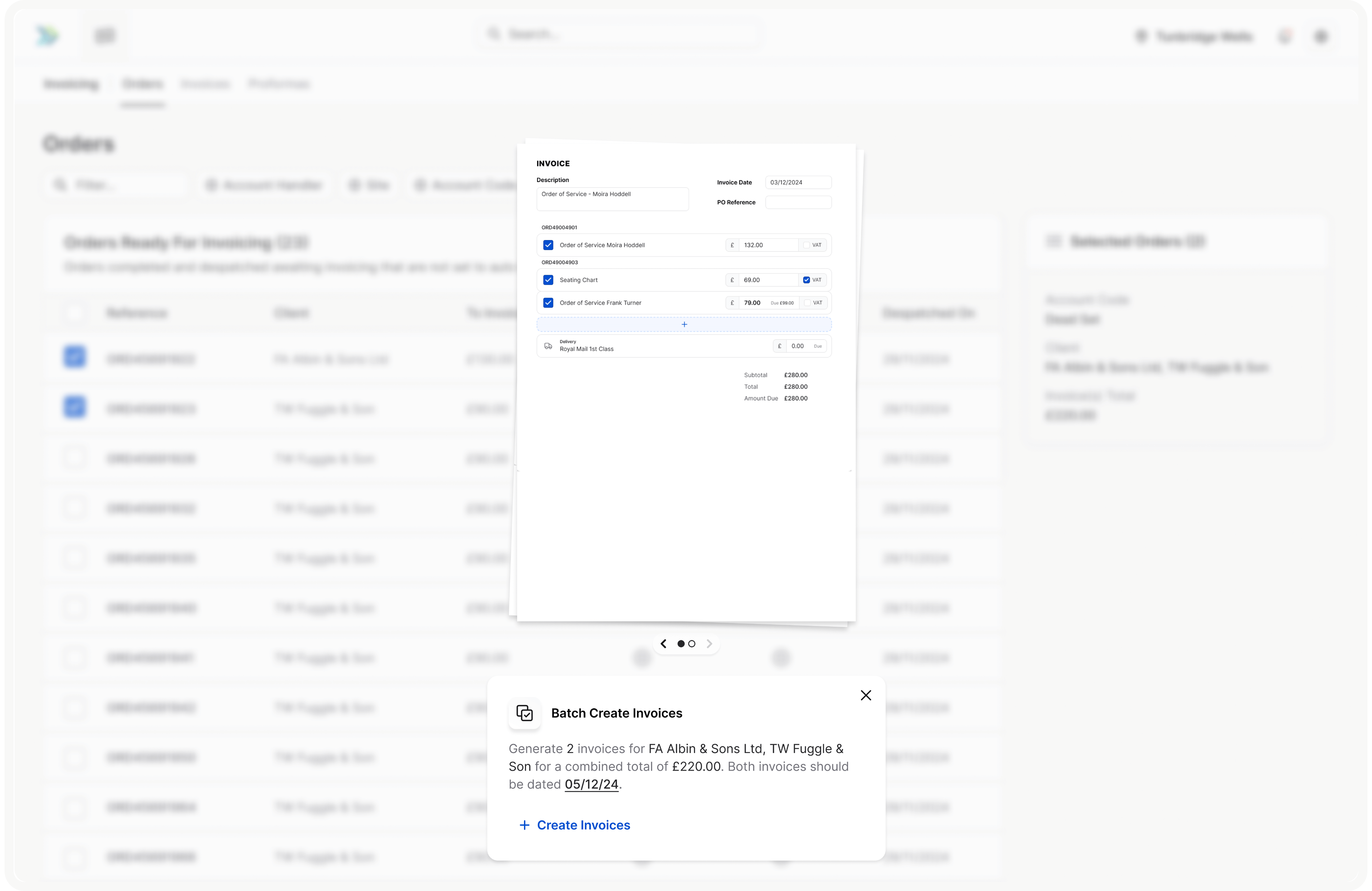
Orders list and batch invoice creation screens.
03
I shadowed operators on live jobs and mapped end-to-end journeys from a job entering the system, through batching and printing, to final dispatch. This helped me understand the core actions operators performed dozens of times a day (create batch, add/remove jobs, resolve conflicts, print paperwork) and the common points of friction.
Three apps with distinct responsibilities:
This removed the need to jump between systems.
In Figma, I designed:
The focus was always on speed, clarity and reducing cognitive load.
I created a shared design system used across both apps: tables, filters, batch cards, forms, status badges, modals. Implemented in React + Storybook.
Built the interfaces in Next.js, TypeScript and Tailwind, collaborating closely with backend engineers to ensure business logic and UI behaviour aligned.
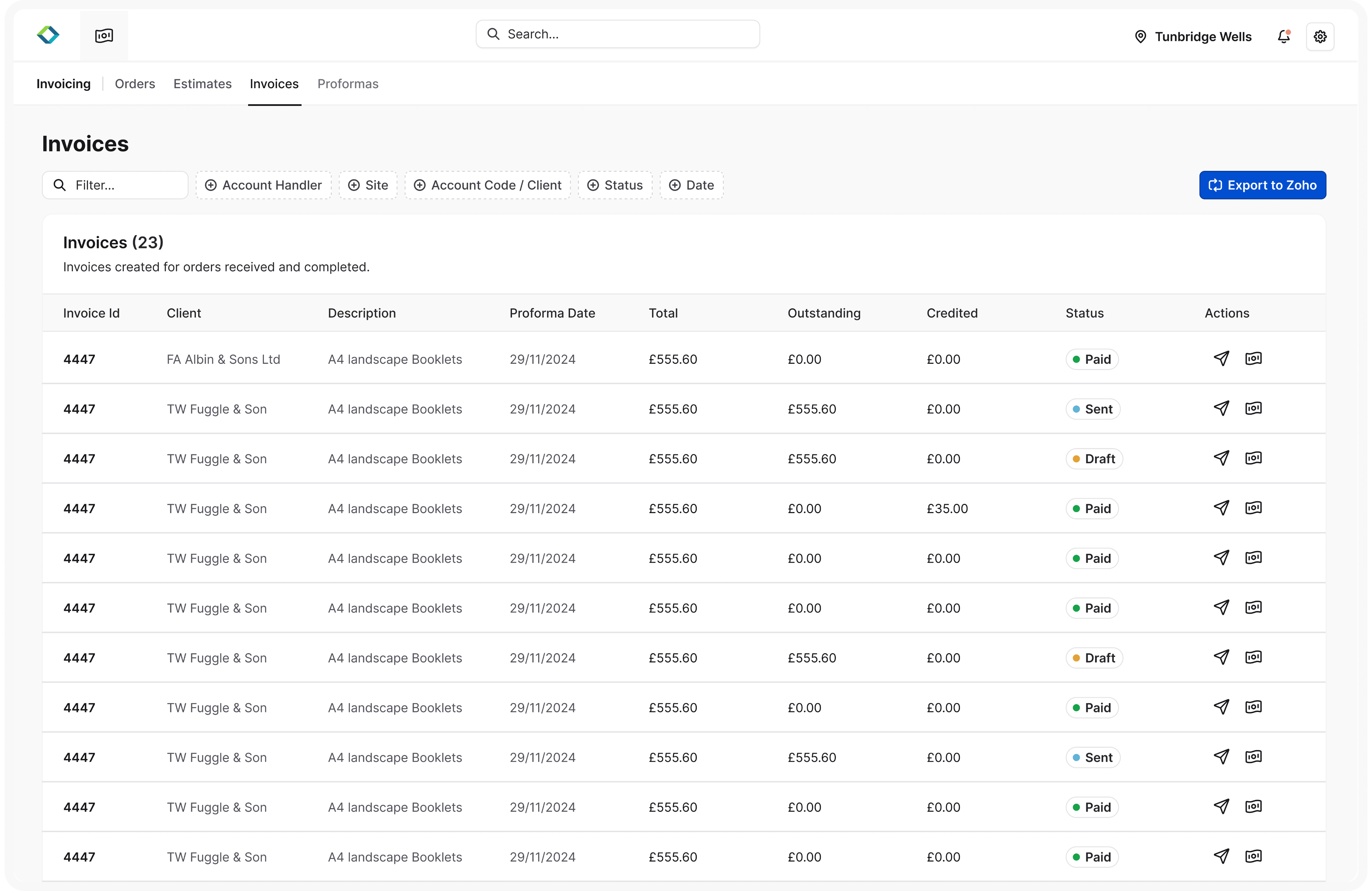
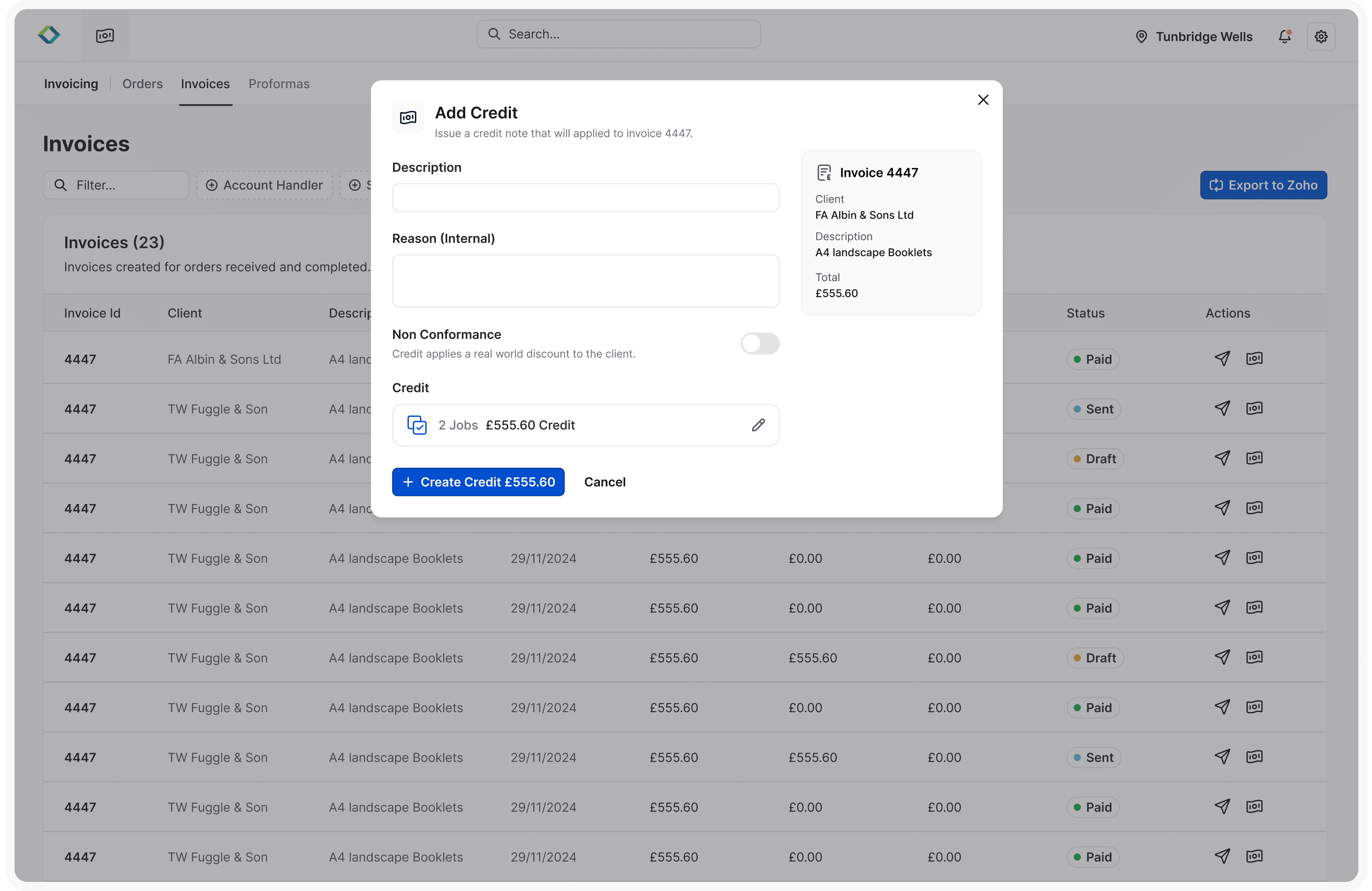
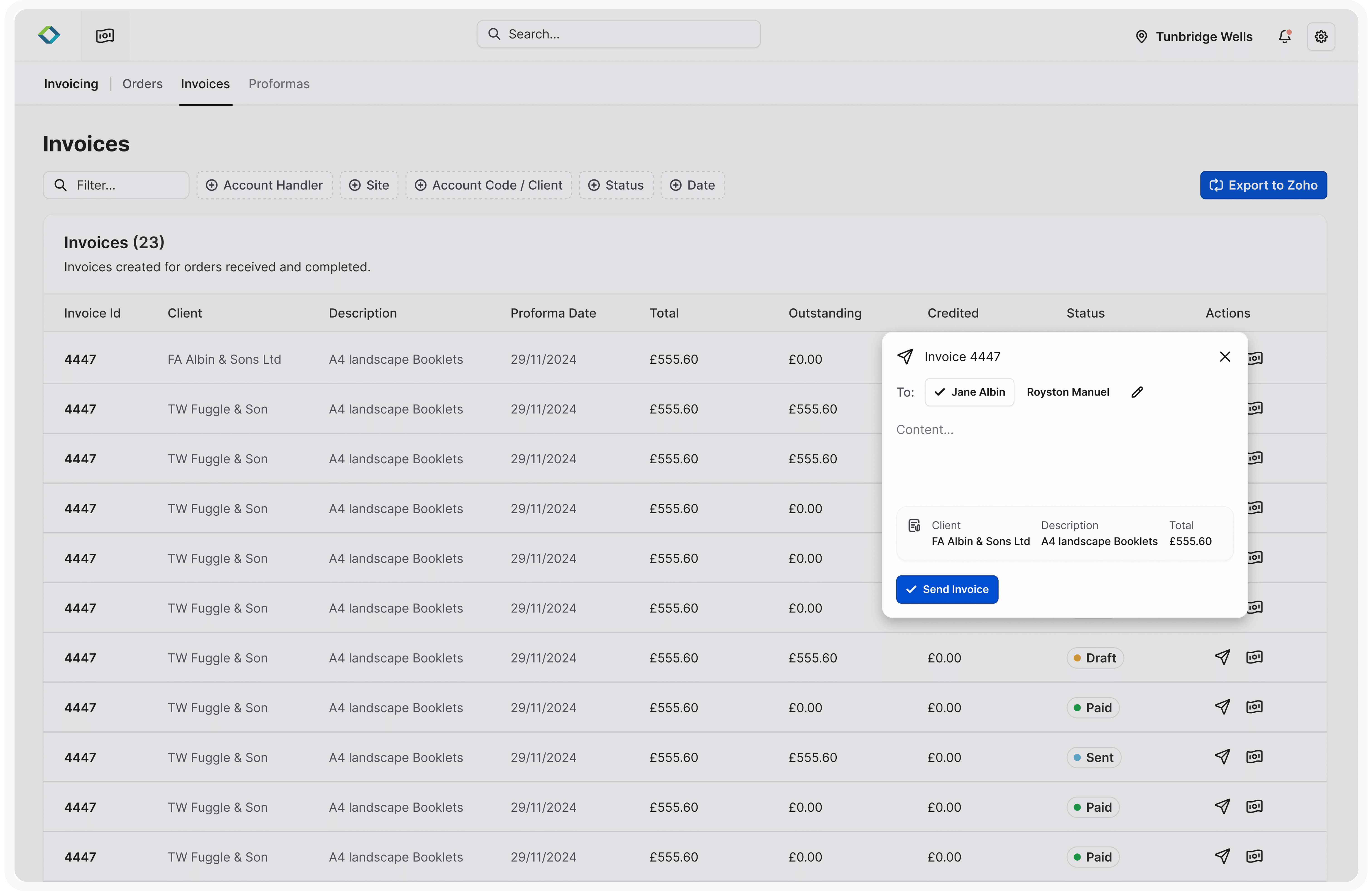
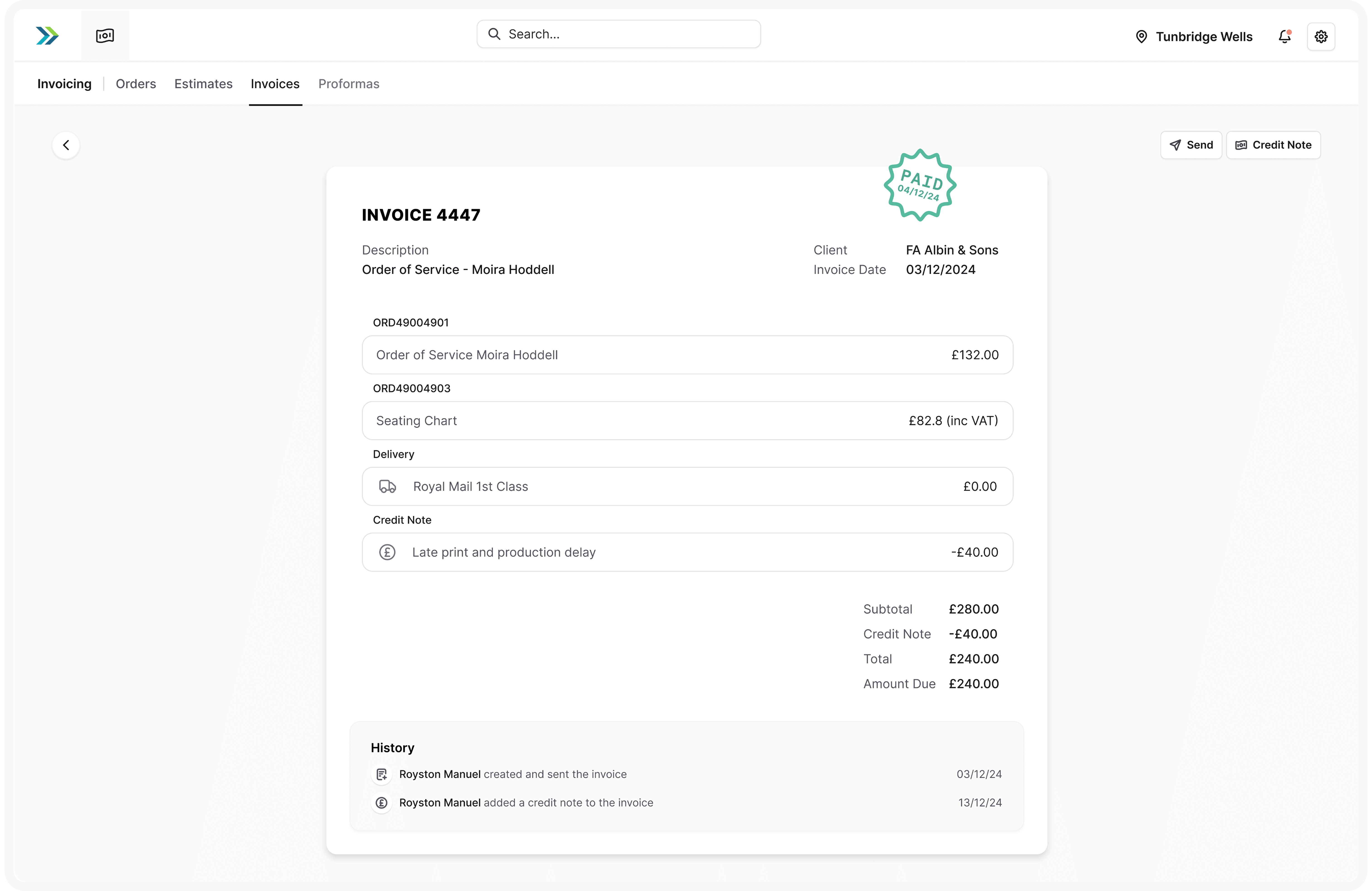
Invoices list and add credit overlay.
04
This reduced mis-batching and gave operators more confidence during peak cycles.
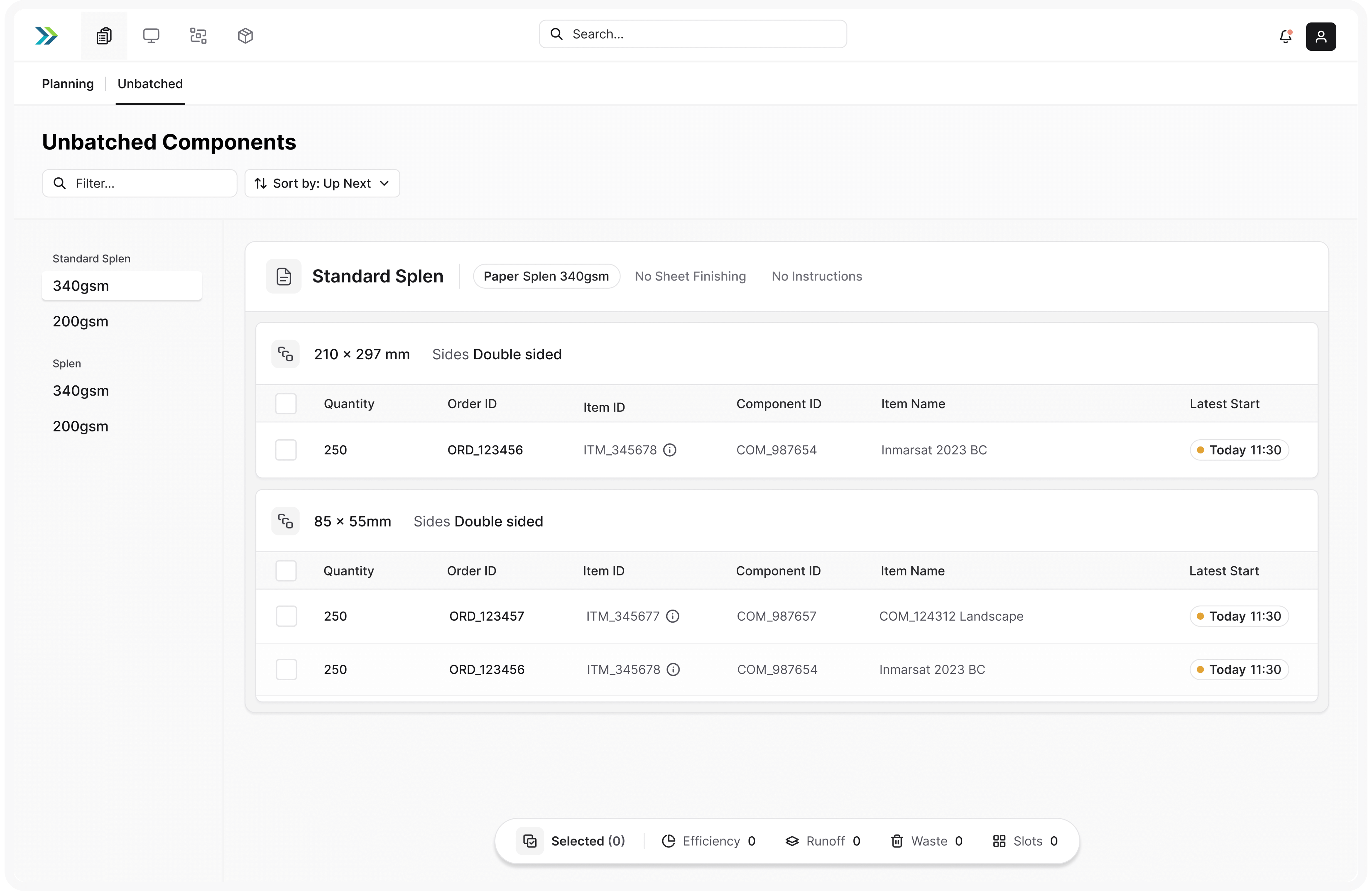
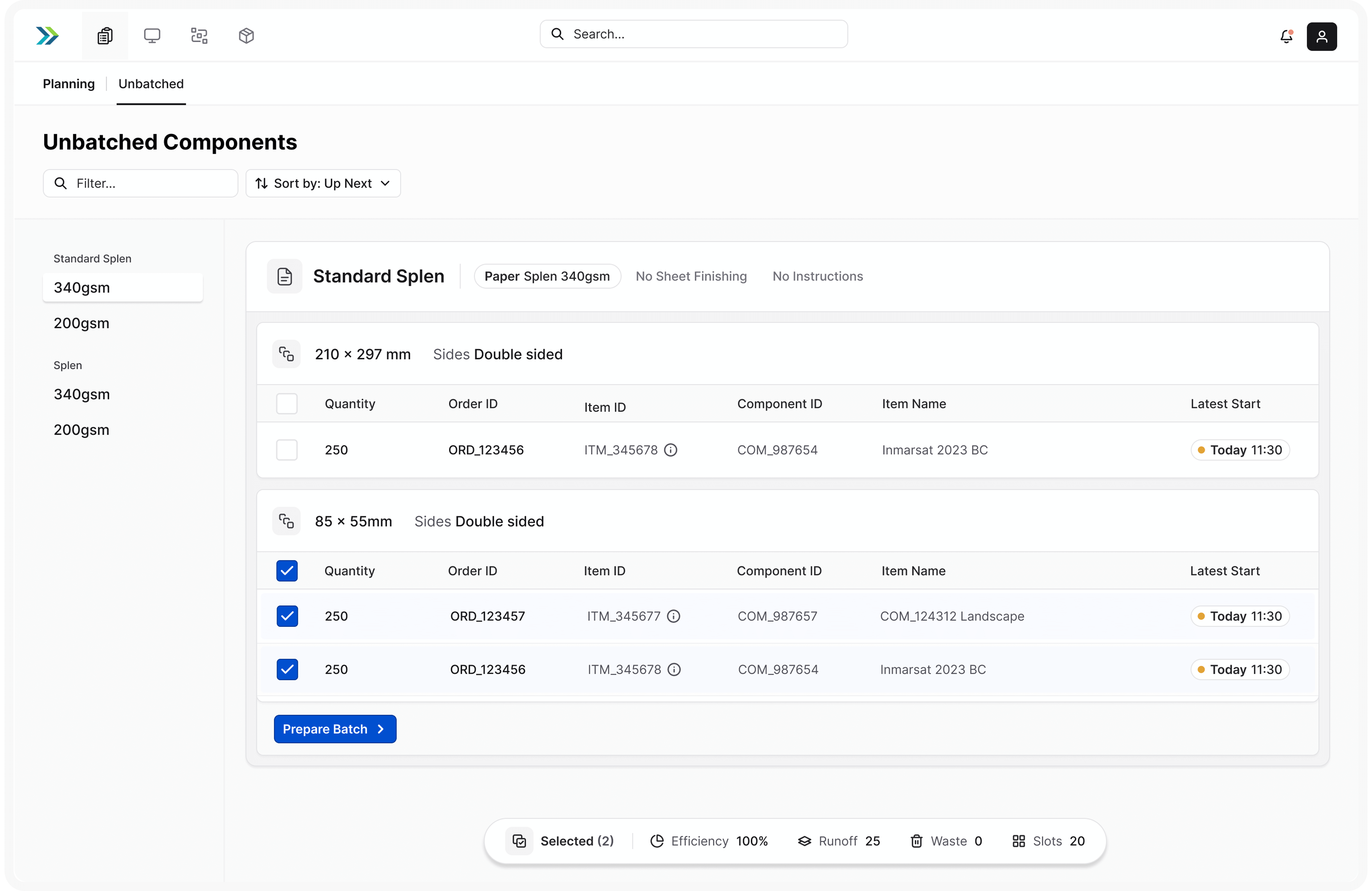
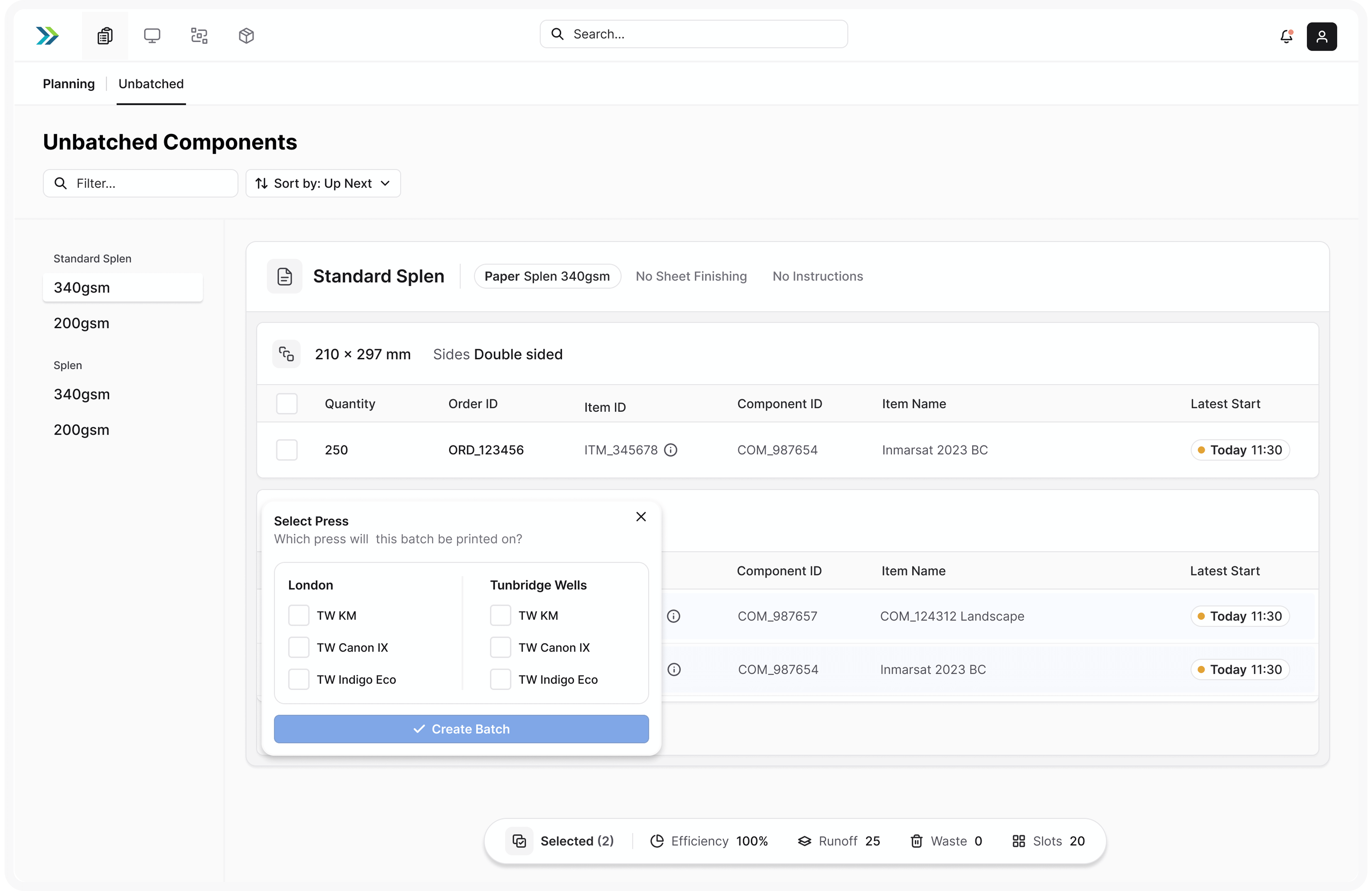
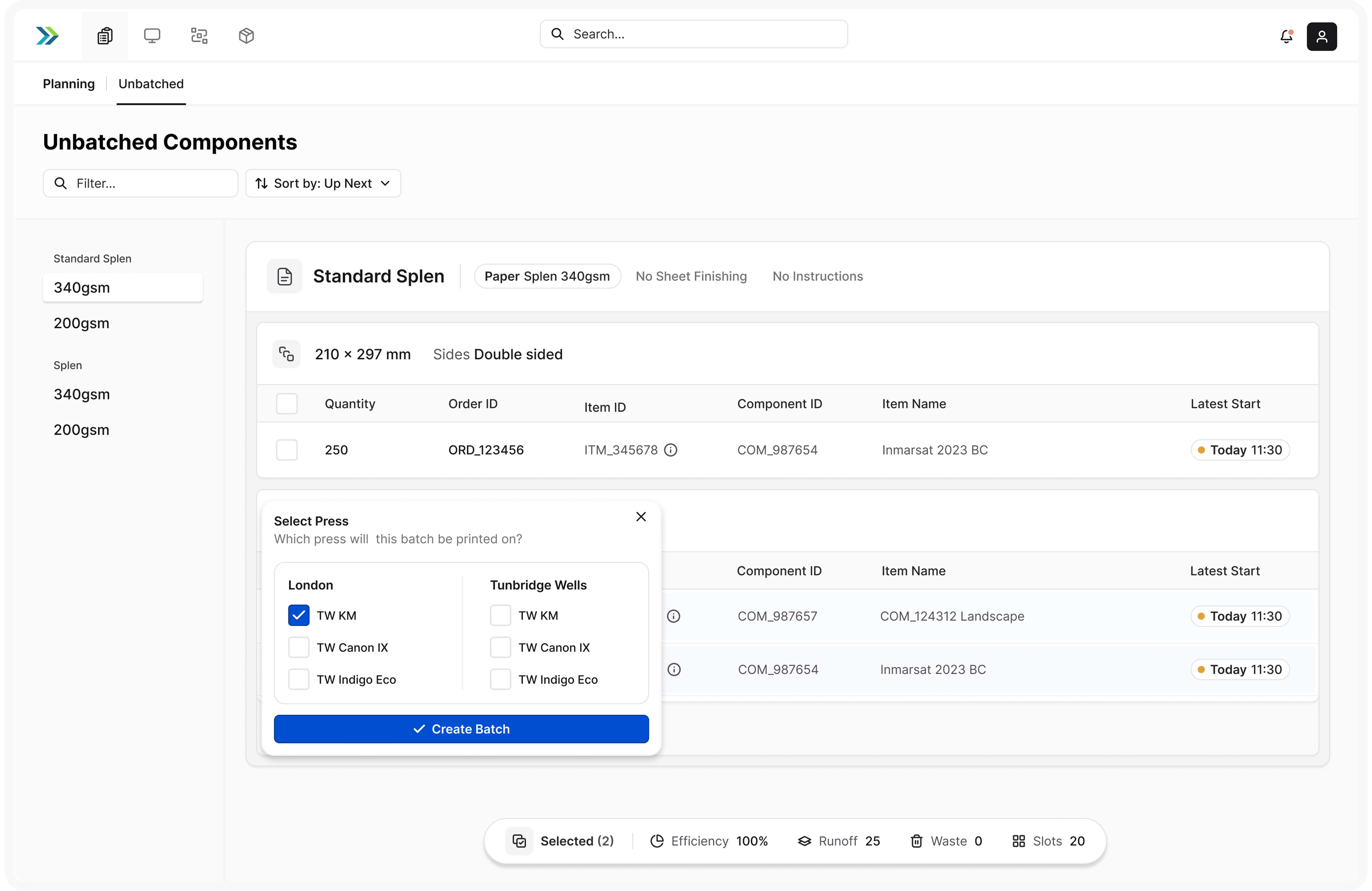
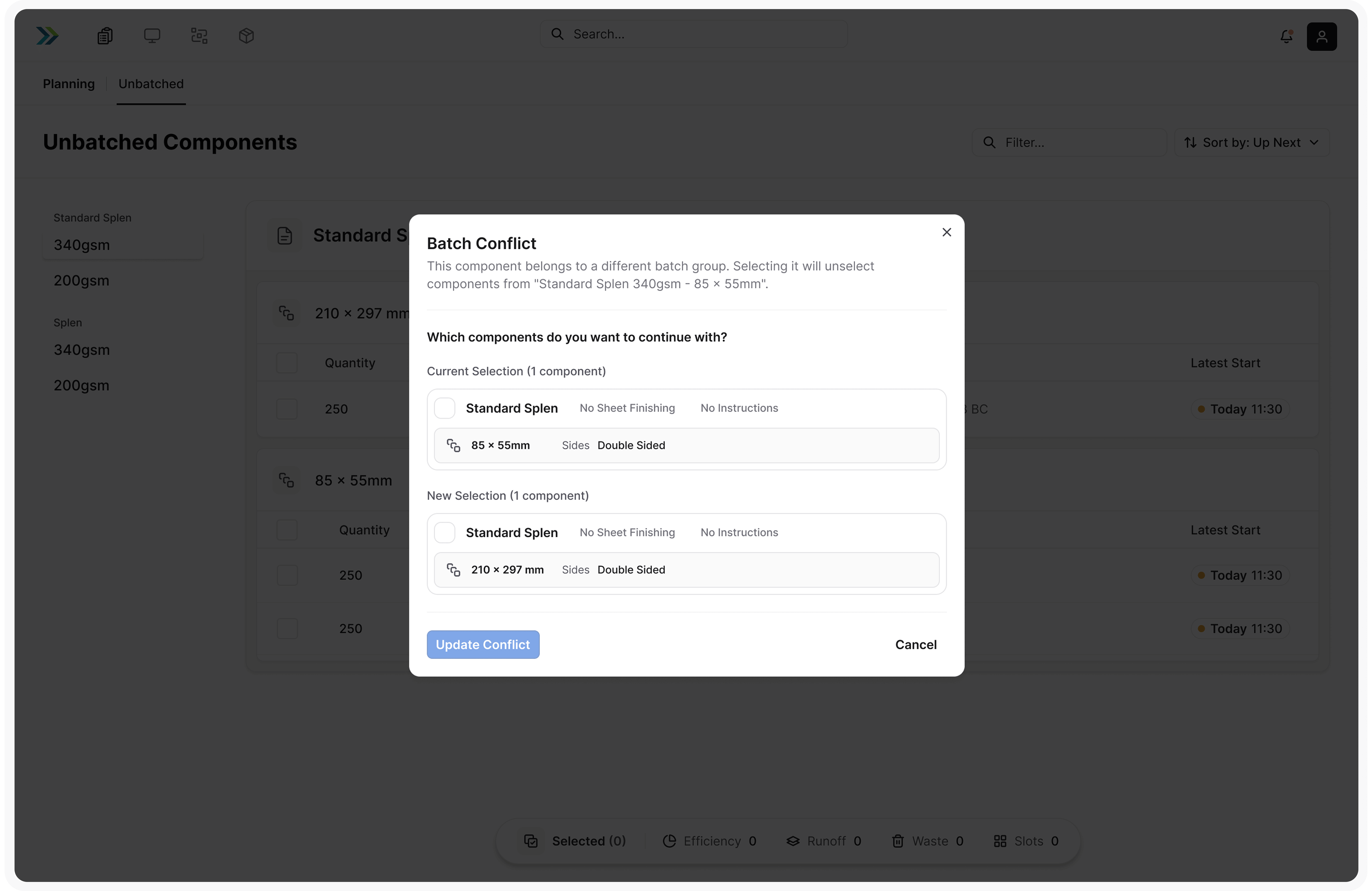
Batch creation and conflict resolution flows, including job selection, batch details and confirmation.
More work
MVP product design · Decode · 2023
Defined a micro-course product structure and designed creator and learner flows end to end.
Own product · Design + React Native · 2023
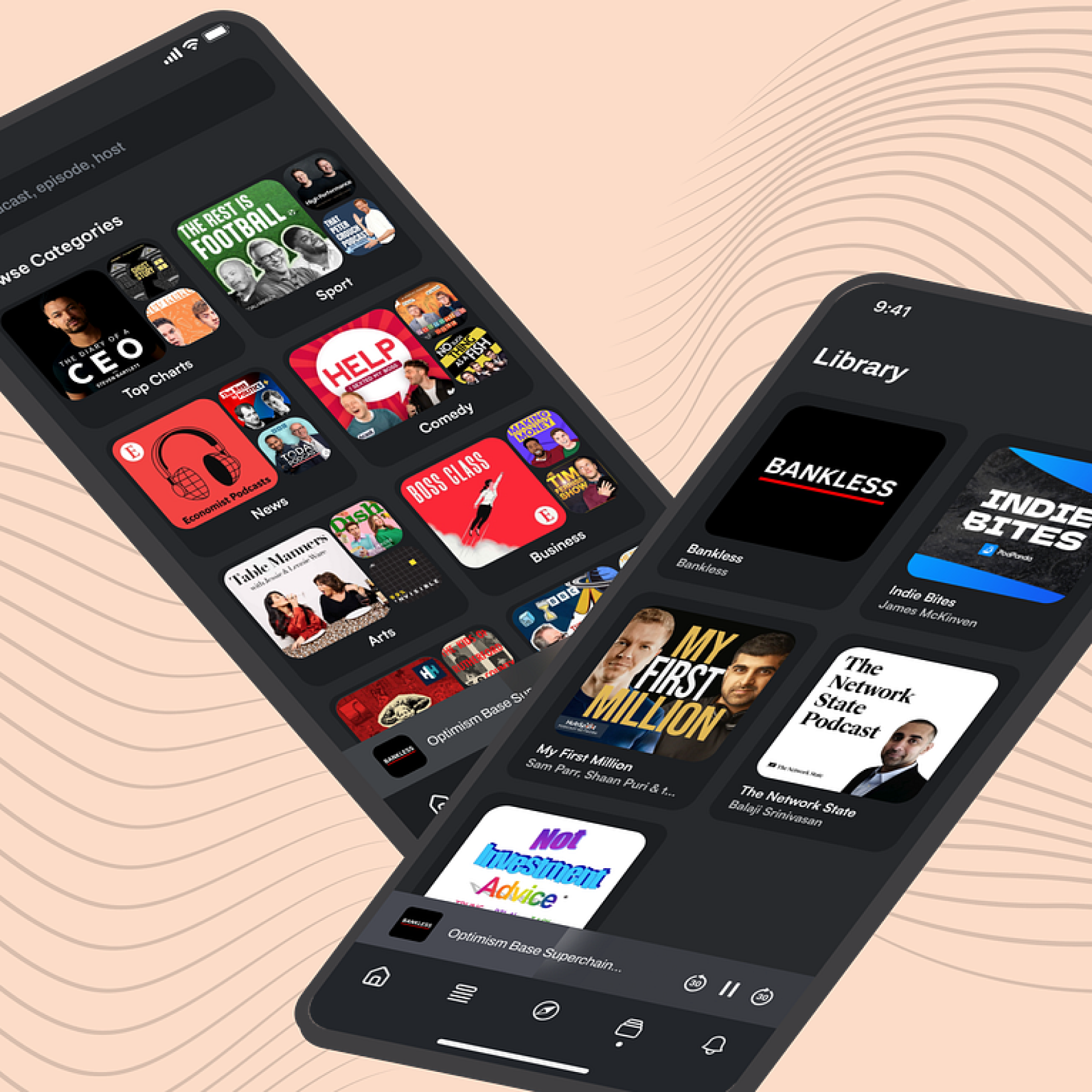
Designed listening, discovery and community flows, then built the front end in React Native.
Personal project · Design + full stack · 2022–2023
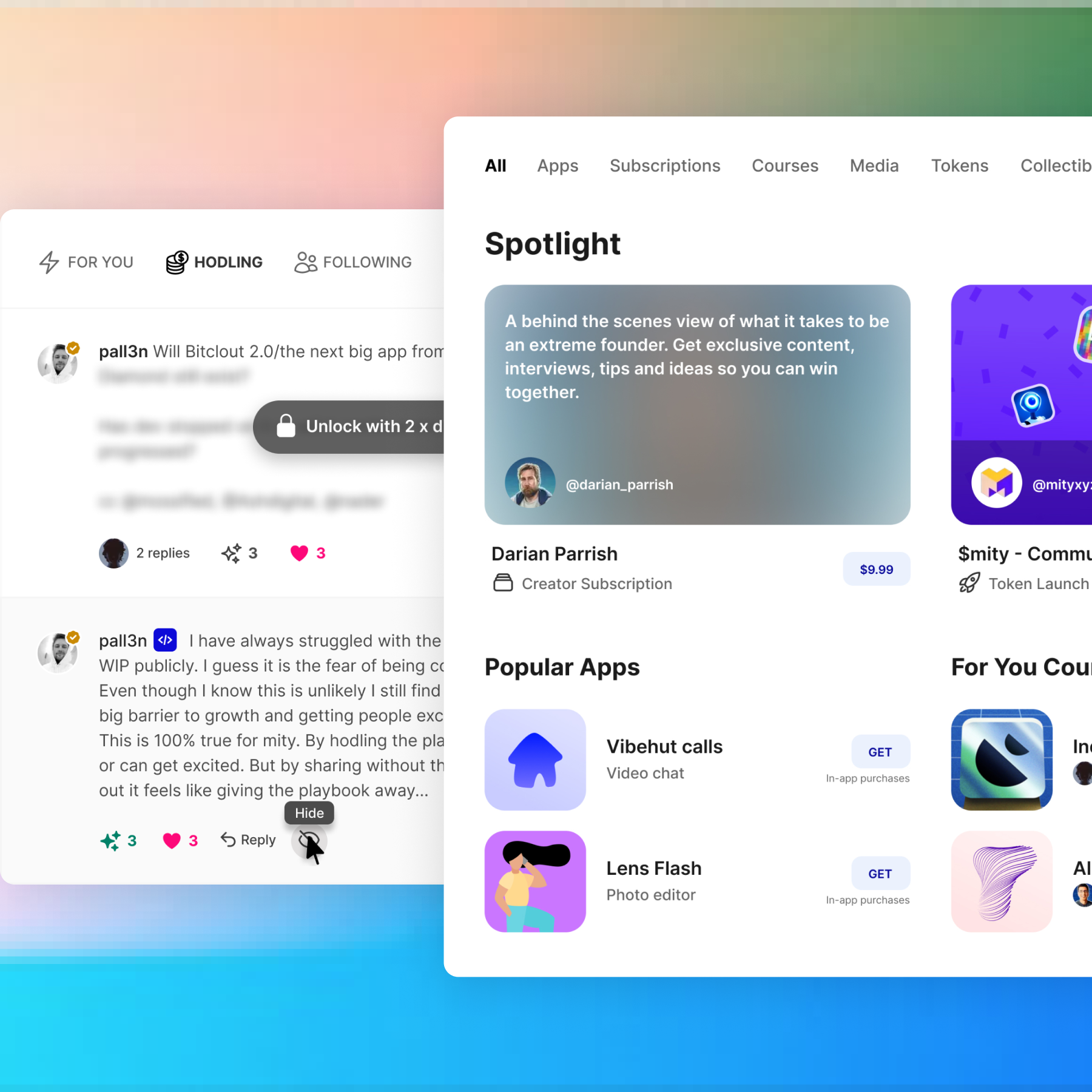
Explored decentralised community product design with creator economics built into the core experience.
Maybe you know exactly what needs fixing. Maybe you just have a feeling something could work better.
Tell me a little about it and we can work out whether I'm the right person to help.
A short conversation. No lengthy pitch or commitment.